Core benefits of Magnetic Flux Leakage inspection
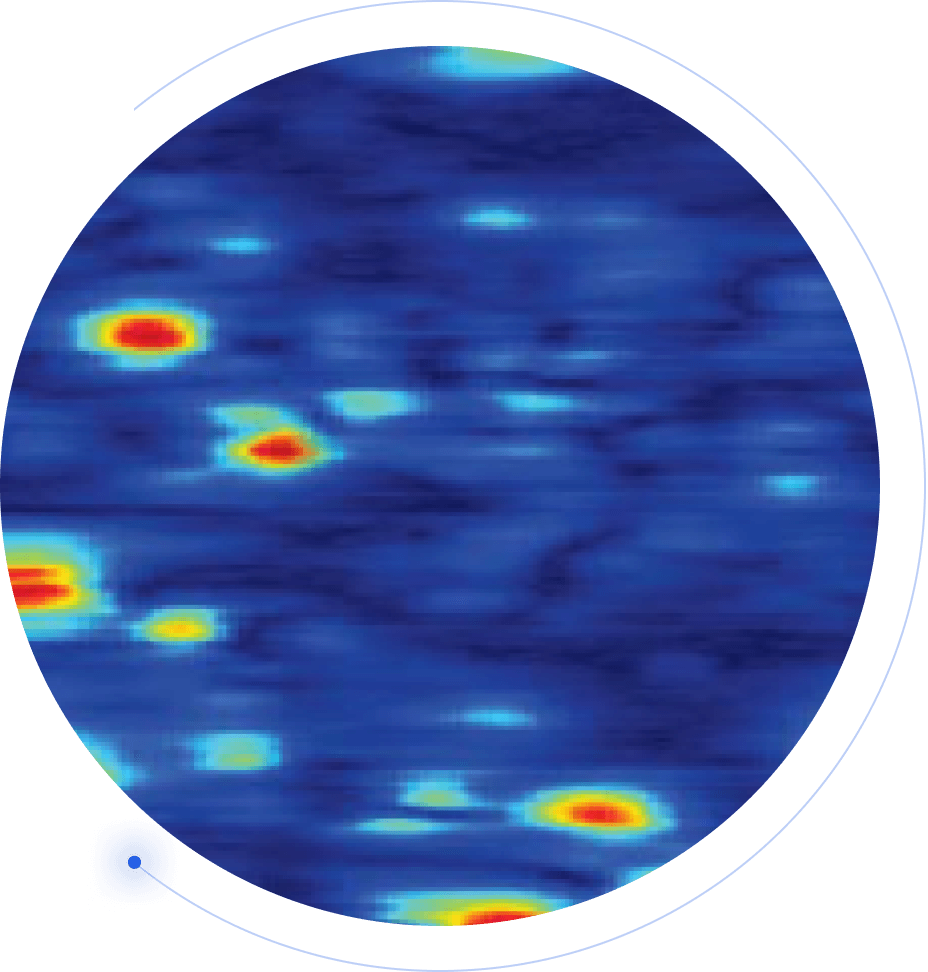
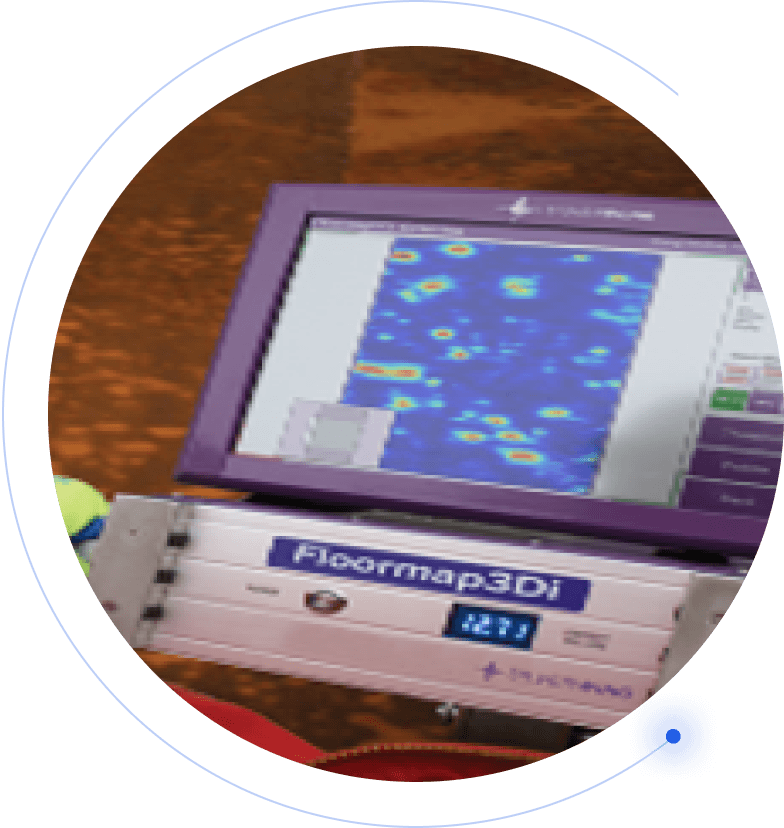
MFL applies powerful magnets to saturate steel with a magnetic field. Where the material is sound, flux flows uniformly through it. Where corrosion, pitting, or wall loss is present, the flux leaks out of the material. Sensors in the scanner detect this leakage, indicating the presence, position, and relative severity of defects.
MFL scanning covers large surface areas significantly faster than manual spot inspection. This makes full-floor and large-structure coverage achievable within standard outage windows.
3D MFL technology identifies whether anomalies originate on the product side or the soil side of floor plates. This level of specificity is required for accurate repair planning.
MFL scans through non-magnetic coatings up to 6mm, including FRP, GRP, and stainless steel, without requiring coating removal.
All inspection data is recorded above and below the repair threshold. Thresholds can be adjusted after scanning is complete. This allows repair plans to be revised as conditions change without additional scanning.
Where MFL identifies anomalies requiring confirmation, UT can be deployed to verify defect sizing and strengthen data confidence before repair decisions are finalized.
High-accuracy positioning data enables comparison of inspection results across inspection cycles, supporting trend analysis and remaining life assessment.