API codes and inspection services
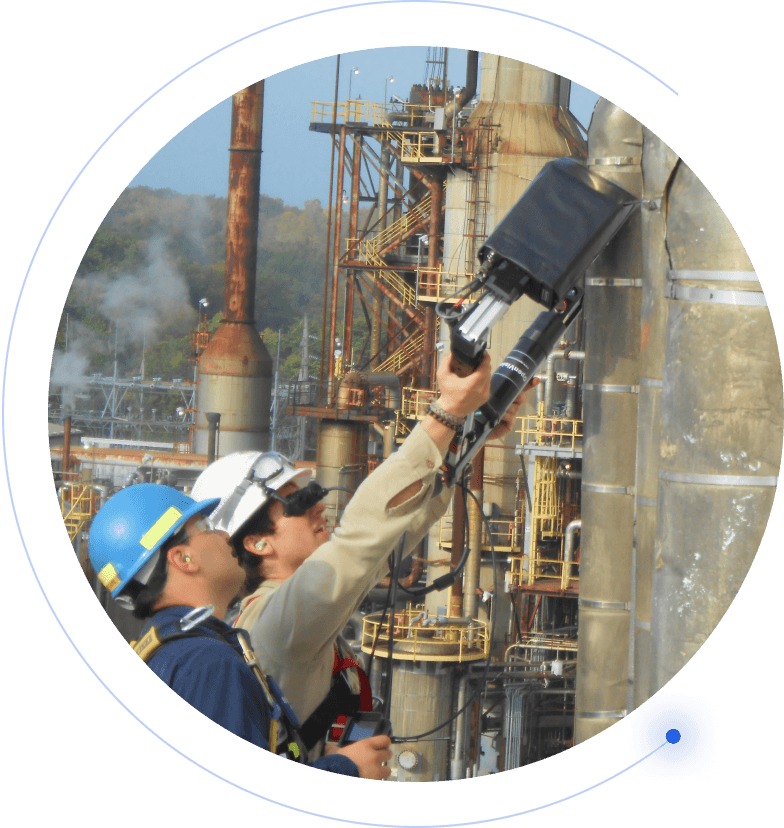
API 510 governs the in-service inspection, rating, repair, and alteration of pressure vessels used in the petroleum and chemical process industries. MISTRAS certified API 510 inspectors conduct comprehensive assessments to identify internal and external corrosion, erosion, cracking, weld flaws, wall thinning, and other metallurgical discontinuities. Fitness-for-Service (FFS) evaluations and corrosion rate calculations support run, repair, or replace decisions, helping keep vessels in compliant operation between inspection intervals.
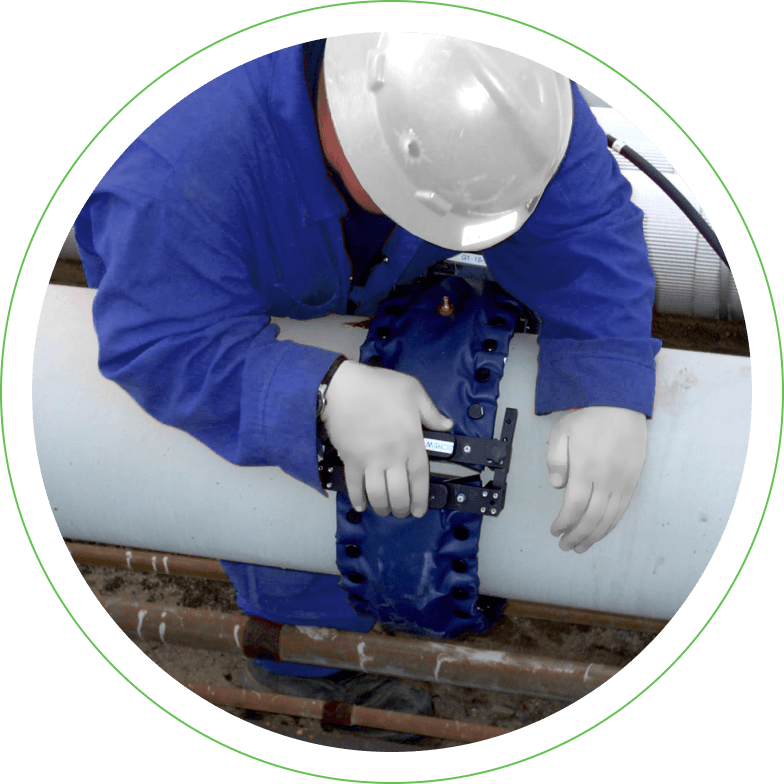
API 570 covers the inspection, repair, alteration, and re-rating of in-service metallic piping systems in the petroleum refining and chemical process industries. MISTRAS API 570 certified inspectors assess piping circuits for wall thinning, flow-accelerated corrosion, corrosion under insulation (CUI), cracking, and other integrity threats. The findings give operators the data they need to maintain mechanical integrity compliance and manage inspection intervals through risk-based approaches.
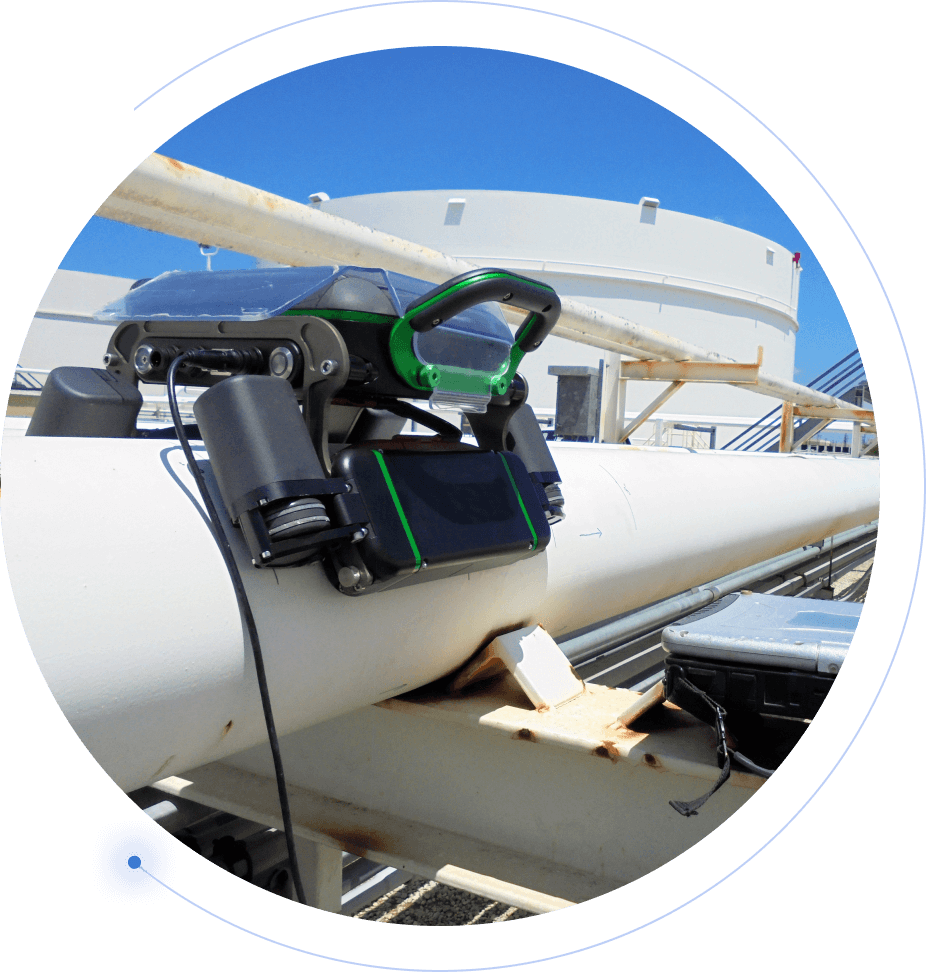
API 653 defines the requirements for the inspection, repair, alteration, and reconstruction of aboveground storage tanks (ASTs) built to API 650. MISTRAS API 653 inspectors assess tank shells, floors, annular rings, and roofs to identify corrosion, wall thinning, leakage, and structural defects. Where possible, MISTRAS performs non-intrusive inspections to assess tank condition without requiring entry, draining, or shutdown, minimizing cost and disruption to operations.
API 571 identifies and describes the damage mechanisms that affect fixed equipment in the refining and petrochemical industries, including HTHA, sulfidation, stress corrosion cracking, hydrogen embrittlement, and others. MISTRAS applies API 571 knowledge to target inspection programs toward the damage mechanisms most likely to impact specific assets and operating environments, thereby improving the effectiveness of inspection spend and reducing the risk of unexpected failures.
API 577 provides guidance on welding processes, inspection techniques, and metallurgical considerations for the refining and chemical industries. MISTRAS certified API 577 inspectors support quality assurance during construction, repair, and turnaround activities. They review weld procedures, monitor weld execution, and verify that welded repairs and alterations meet applicable code requirements.
API 580 provides the framework for developing and implementing Risk-Based Inspection (RBI) programs for fixed equipment. MISTRAS uses API 580 methodology to help operators prioritize inspection resources based on the probability and consequence of failure. This directs effort toward high-risk assets while extending intervals for lower-risk equipment, reducing overall inspection costs while maintaining or improving safety and compliance outcomes.
API 936 covers the quality control requirements for refractory lining installation in vessels, reactors, and piping systems in the refining and petrochemical industries. MISTRAS API 936 certified inspectors monitor refractory installation and repair activities to verify that linings are applied correctly and meet the specified quality requirements. This helps protect the integrity of assets that depend on refractory for thermal and corrosion protection.
API 1169 sets the baseline inspection requirements for liquid and gas pipeline construction projects. MISTRAS deploys API 1169 certified inspectors to provide quality assurance oversight across welding, coating, backfill, and other construction activities. The result is that new pipeline systems are built to specification and code.