Products

World-Leading Acoustic Emission Expertise

Expert Training & Consulting Support

Real-Time Monitoring Analytics

Custom System Development
Be a step ahead
MISTRAS is a specialized provider of acoustic emission (AE) systems for industrial and laboratory applications. Backed by decades of expertise, MISTRAS partners with our clients to solve their testing and monitoring needs, from identifying and designing the ideal system configuration to supporting your training, data analysis, and program management needs.
Schedule expert consultationHelping You Find the Right Testing Solution
MISTRAS offers a comprehensive range of Acoustic Emission (AE) equipment. Whether you need a proven system for industrial monitoring or a more specialized, bespoke configuration, our AE experts located around the world can help you find the right approach. Explore our product catalog below, and contact us today for help designing your ideal system configuration.
View full catalogSensors

Built to “listen” to high frequency signals, AE sensors interpret material’s “voice” into usable AE waveforms.
Preamplifiers

Recognize the extremely low amplitude AE signal produced from AE sensors, and convert into amplified and usable forms.
Acquisition Units

Capture and process signals, turning high-frequency activity into usable data for real-time monitoring, analysis, and storage.
Software

MISTRAS’ Acoustic Emission (AE) software provides users with the tools to acquire, display, store, replay, and analyze AE data.
Turnkey Systems

Manufacturing and equipped with MISTRAS’ AE boards, turnkey systems require minimal installation for asset monitoring.
Accessories

Support and enhance existing hardware with offerings such as cabling, couplants, magnetic hold downs and waveguides.


Investing in AE technology is only the beginning. Our experts help ensure your team quickly becomes proficient and productive through customized consulting and training support.
World Leader in Acoustic Emission
What we do
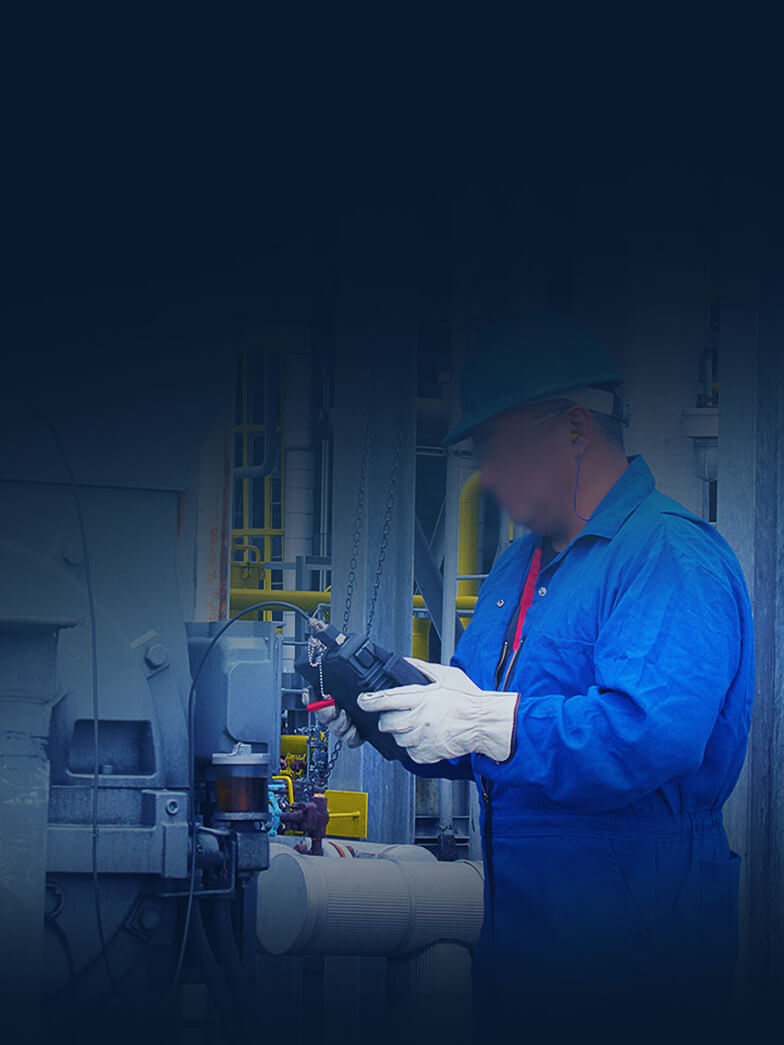
MISTRAS helps our clients gain deeper insight into material behavior, structural integrity, and manufacturing performance through decades of technical expertise and an industry-leading product portfolio.
Learn more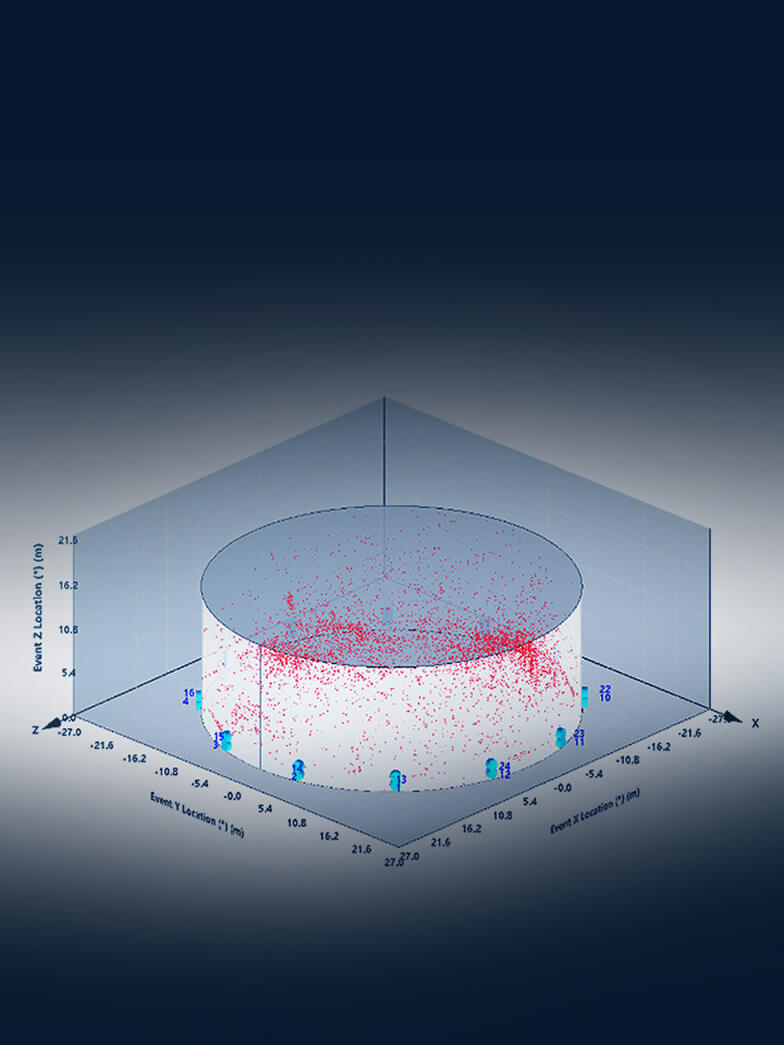
How we do it
By "listening" to the frequencies emitted by materials, AE provides a powerful method for examining the behavior of materials, and in turn, analyzing, characterizing, and locating problem areas.
Learn more
Who it’s for
Our solutions span applications for operators in critical asset-intensive industries who require real-time integrity monitoring, along with bespoke test and measurement systems for laboratories, institutions, and research departments.
Learn moreSpeak to a Specialist
Unsure which product is best for you? Our experts can advise you on the optimal product selection and system configuration.
Schedule expert consultation