TriStream MFL ultra-high resolution Inline Inspection (ILI) services

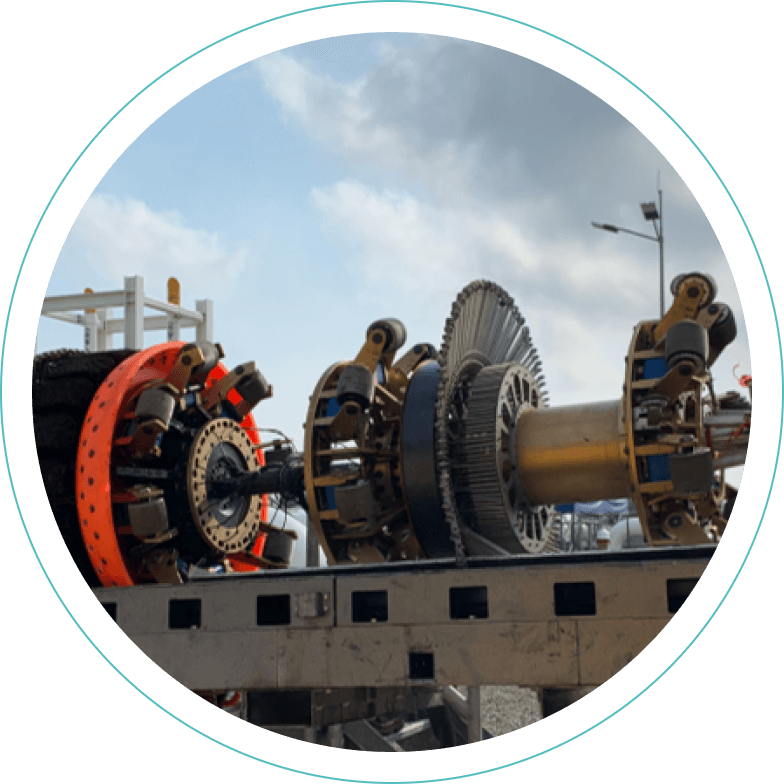
MISTRAS Group’s TriStream MFL™ is a game-changing inline inspection (ILI) technology that measures axial, radial, and circumferential signals for unparalleled detail on metal loss, deformation, and precise pipeline positioning.

MISTRAS Group’s TriStream MFL™ is an advanced, ultra-high-resolution inline inspection (ILI) solution that delivers superior pipeline integrity data.

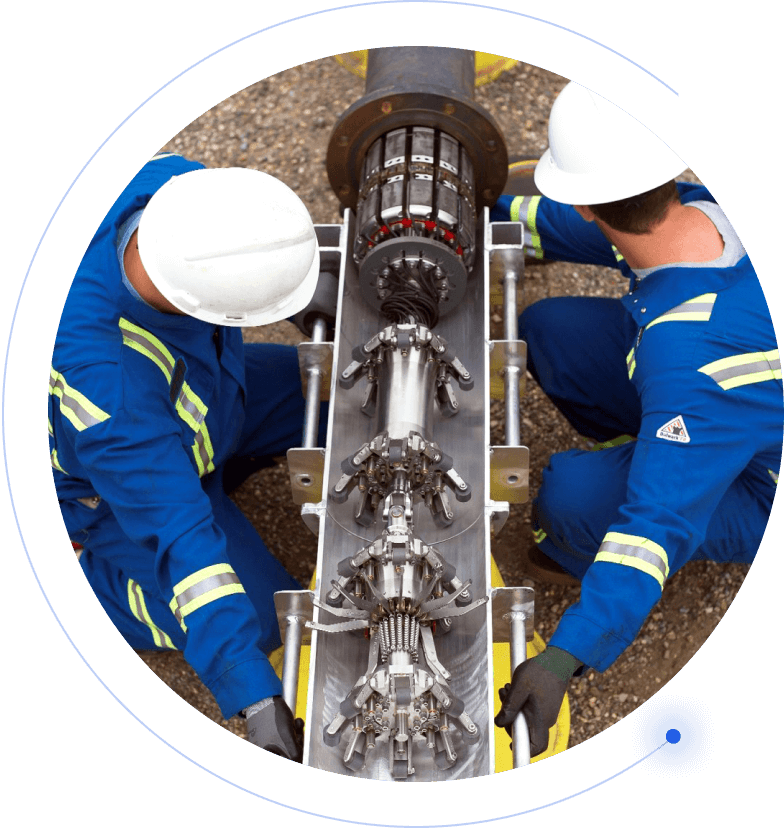
By capturing multiple magnetic flux leakage (MFL) vectors, the TriStream MFL offers an in-depth look at corrosion, dents, gouges, and other threats that can jeopardize pipeline health. This multi-vector approach, combined with caliper and Inertial Measurement Unit (IMU) technology, helps operators gain a comprehensive overview of pipeline anomalies and locate them accurately along your network.

TriStream MFL’s multi-vector data, small-diameter bend capacity, and speed control features are all designed to improve operational productivity. By reducing unplanned downtime and the need for repeated runs, TriStream MFL delivers:

  • Lower inspection costs and minimized risk of disruptions
  • Heightened safety for both personnel and the environment
  • More informed risk and dig decisions
  • Extended asset lifespan through proactive integrity measures

Multi-vector MFL for high-quality data

Traditional MFL pigging tools often measure one or two signal vectors, potentially leaving gaps in inspection data. The TriStream MFL’s triaxial sensor capabilities helps overcome these limitations by measuring three separate magnetic signals simultaneously—axial, radial, and circumferential. This configuration provides detection of:

  • Metal loss from corrosion and pitting
  • Gouges, cracks, and other mechanical damage
  • Dent-to-weld interactions and ovalities

By offering a truer representation of the pipeline wall’s condition, operators can make confident decisions that mitigate risk and ensure compliance with strict regulatory requirements.
The fracture of corrosion products is detected along with leaks that are active during the actual monitoring period. A percentage of this data is located by triangulation, but the most important information gained from a maintenance management point of view is the overall condition of the floor, which is given a grading on an scale of “A” to “E.”

Grades are based on empirical data, comparing TankPAC to out-of-service inspections gathered from thousands of tank inspections and validated through user groups along with many multinational oil & gas companies.

Using these results, tank owners and operators can determine when to open tanks for decontamination and internal inspections. In previous tests conducted by MISTRAS Group, more than 50% of tanks that were opened were shut down and opened for inspection were proven not to require offline inspection at all. TankPAC’s non-intrusive application enable tank operators to keep their assets in service, reduce maintenance costs, and enhance profitability.

Some advantages of TankPAC include:
  • No need to empty or clean the tank before inspection
  • 100% tank floor inspection capability
  • Verified reliability
  • Inspection and evaluation of annular ring
  • Immediate results
  • Rapid testing- 50-meter tank in one day
  • Repair and inspection identification
  • Avoidance of shut-down and cleaning costs for suitable tanks

ILI for small and large diameter pipelines

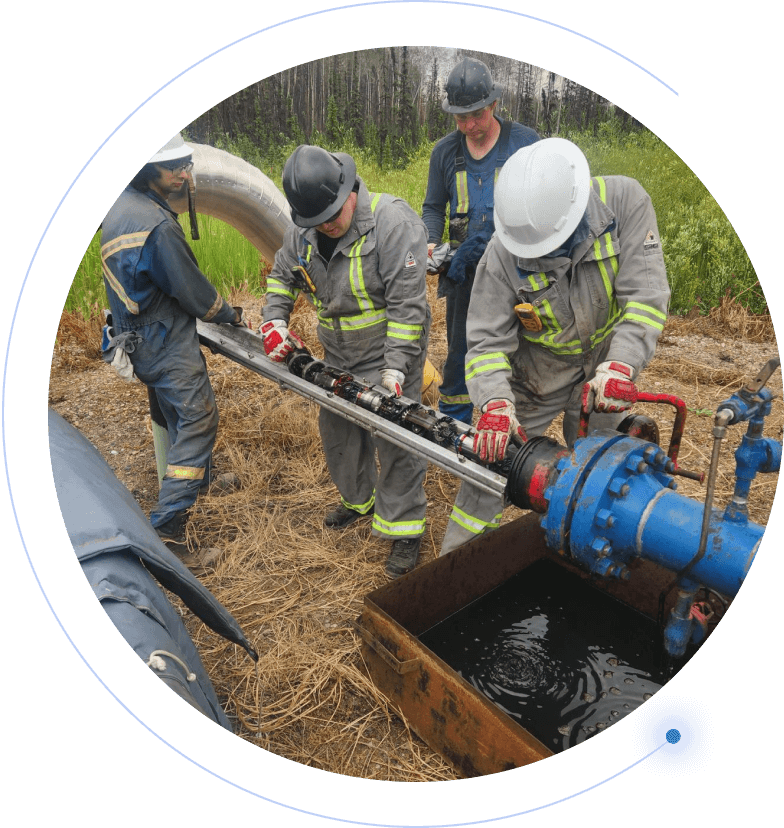
The TriStream MFL pigging tool can inspect lines from 4”-36” in diameter, making it an ideal choice for both small gathering lines and large transmission pipelines.

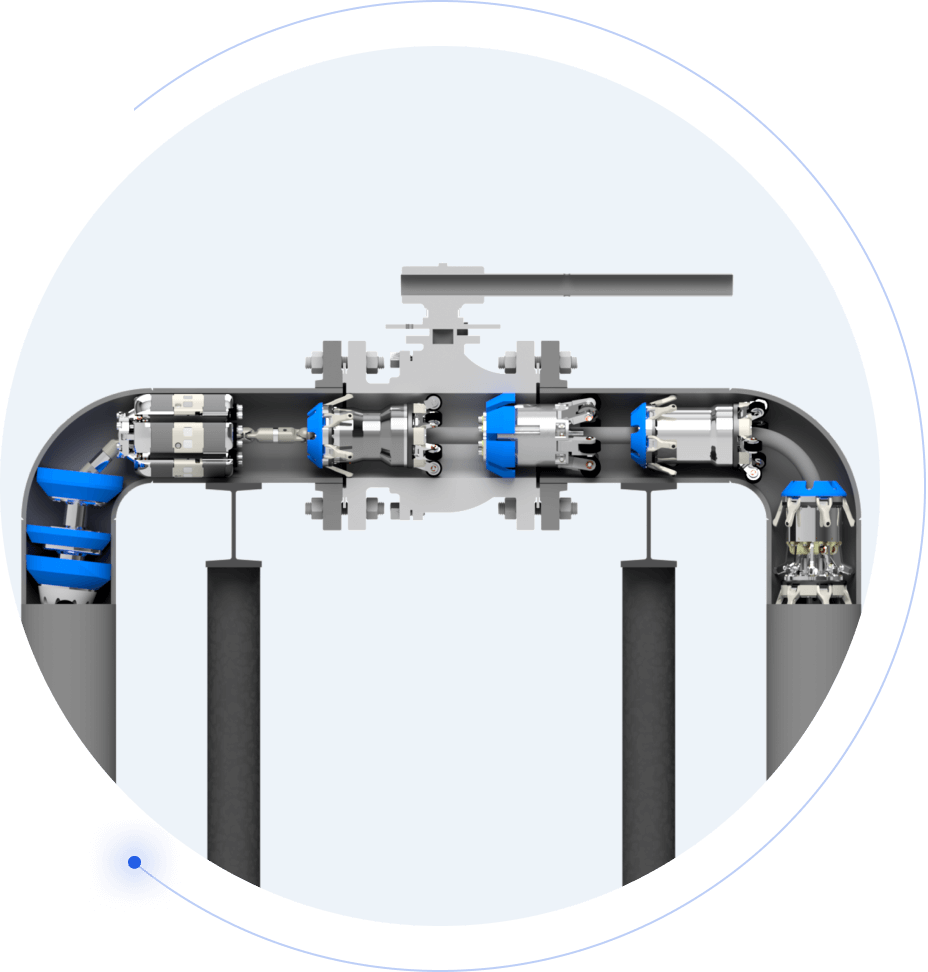
MISTRAS’ 4” TriStream MFL services is unique in its ability to navigate pipelines with multiple 1.5D bends, serving as a combination MFL, caliper, and inertial measurement unit (IMU) tool that provides metal loss, deformation, and GPS positioning assessments for lines that were previously considered unpiggable.

Speed control for optimal throughput

To obtain good data quality during a pipeline inspection, the speed of the tool must be controlled. The TriStream MFL’s speed-control technology automatically opens to let more gas bypass through the tool whenever the tool starts to run too fast, and closes to reduce the amount of gas bypassing through the tool when the tool runs too slow. This allows natural gas pipeline operators to perform inline inspections without having to slow down their pipeline or manipulate their operations, allowing you to maximize pipeline throughput without sacrificing data quality.

Comprehensive data interpretation

Following inspections, MISTRAS Group provides a customized data interpretation package to help operators make timely, informed decisions. This report can include:

  • Detailed anomaly classification: Depth, length, and width of metal-loss features
  • IMU-based centerline mapping: Accurate GPS coordinates for dig sites or further investigation
  • Dent and deformation analysis: Caliper readings that detail geometric irregularities
  • Recommended action items: Guidance for repair, rehabilitation, or continued monitoring

With this information in hand, integrity engineers can develop targeted maintenance plans, schedule dig programs efficiently, and align long-term pipeline management strategies with their operational objectives.

Find your solution

Whatever the challenge, we have the depth of expertise and breadth of solutions to deliver certainty.

Solve your most complex challenges

Partner with MISTRAS Field Services to inspect, access, and repair your critical assets. Contact our experts to define the integrated solution that maximizes your safety and operational uptime.

Schedule expert consultation