Touch Point Corrosion (TPC) Inspection

Schedule expert consultation

Touch Point Corrosion Inspection Services (TPC)

MISTRAS’ Touch Point Corrosion (TPC) services are crucial for minimizing downtime and keeping piping budgets in check. Conducting Non-Destructive Testing (NDT) inspections is key to the preventative measures needed when mitigating TPC and ensuring operational success across your facility.

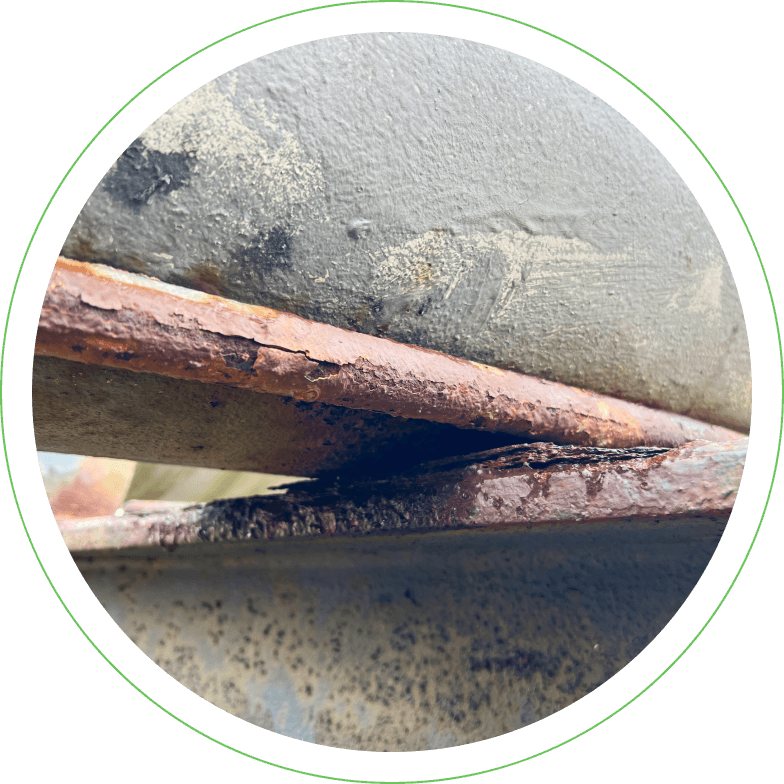
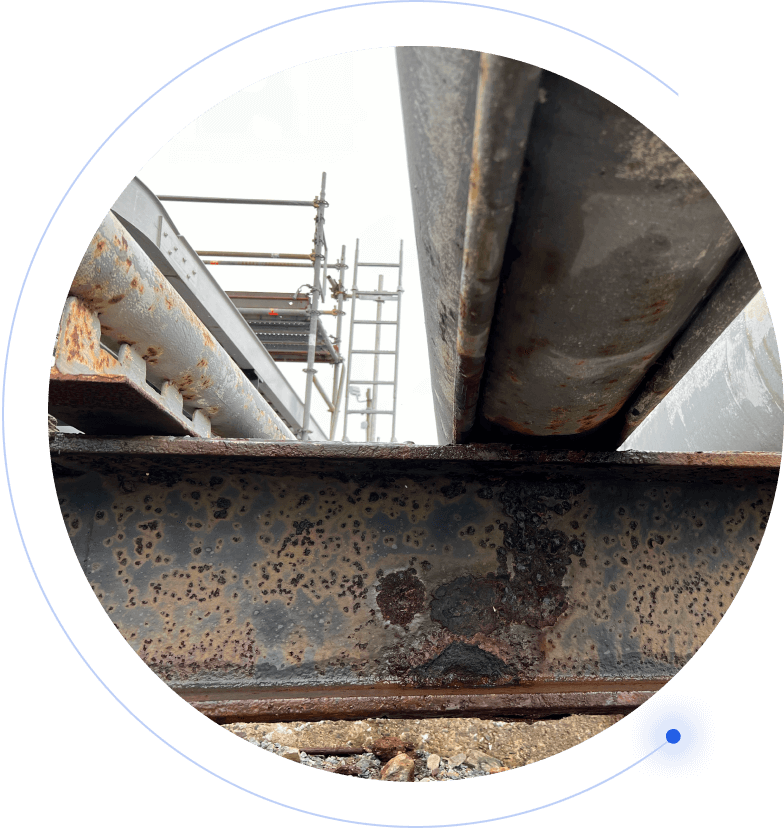
Touch Point Corrosion (TPC) is a specific form of corrosion that occurs at the point of contact between a pipe and its support, as well as where pipes meet other pipes or objects within a piping system. This type of corrosion can also manifest at locations such as joints, fasteners, welds, and connections within the piping infrastructure.

Primary Causes of Touch Point Corrosion

TPC is largely caused by the interaction between dissimilar materials, particularly wood, and metal, which leads to the corrosion cells within the metal. These cells accelerate the corrosion process, resulting in localized degradation of the pipe's material. If left unattended TPC can significantly impact the integrity of your piping assets, leading to safety hazards, costly repairs, and unexpected downtime across your facility.

The implications of TPC are significant and complex. When water and corrosives become trapped in the crevice between the pipe and its support, this can create an environment conducive to corrosion. Corrosion in this area of the asset is oftentimes difficult to inspect, as it is typically not visible without lifting the pipe to inspect, which can lead to potentially removing environmentally sensitive materials and/or causing additional damage to the piping. TPC can also be attributed to various other factors, including mechanical stress, electrochemical issues, and chemical environment.
CUI: Guided Wave Inspection

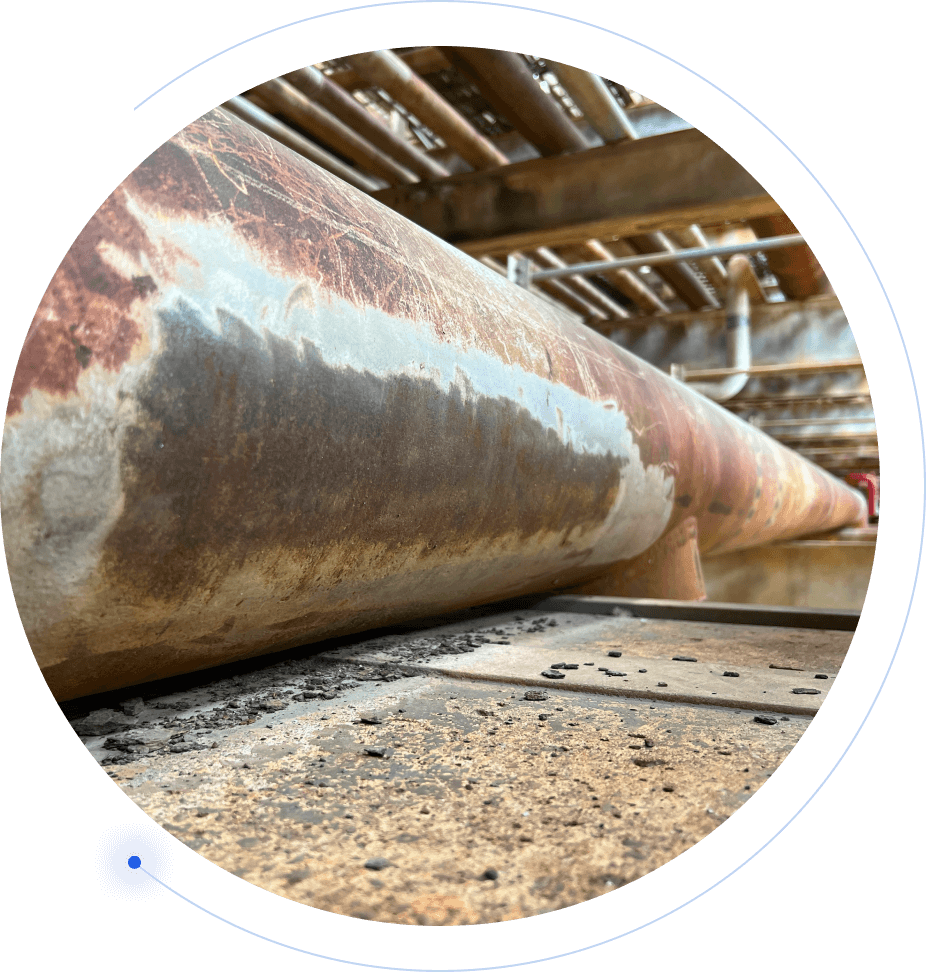
Guided Wave Inspection (GUL) Applications for Corrosion Under Insulation (CUI).

Advanced and Traditional Non-Destructive Testing (NDT) inspection services for early TPC detection

Touch Point Corrosion is most effectively inspected and detected by utilizing multiple NDT technologies. With an industry-leading portfolio of available advanced and traditional NDT techniques and technologies, MISTRAS Group is ideally-suited to support clients in TPC detection. MISTRAS Group's TPC detection capabilities include:

Preliminary Visual Inspection (VT), to look for signs of insulation degradation or paint blistering and staining of uninsulated systems.

Guided Wave Testing (GWT), which can inspect large swaths of piping from a single inspection point and help inspectors determine potential problem areas that require a follow-up inspection.

Automated Ultrasonics (AUT), can be used for definitive inspections of areas that were identified by GWT.

Short Range Scanning Services quantitatively measures corrosion at supports and penetrations, inspects for TPC, and sees through different-sized coatings across inaccessible locations.

Touch Point Corrosion preventative techniques

By having a preventative strategy in place and making the right choices for your piping assets, TPC can be significantly reduced or stopped in its tracks before it can take hold. Material selections, surface preparation, design choices, and regularly scheduled maintenance can all have a major impact on the growth of damaging Touch Point Corrosion and its ultimate integrity and reliability impact on your assets.

By understanding the causes, effects, detection, and preventive techniques needed to combat TPC, personnel can work to alleviate the associated risks and help ensure their assets achieve long-term operational success.

Detecting wall thickness in inaccessible locations

A webinar hosted by Inspectioneering digs into detecting wall thickness across inaccessible locations using Short Range Guided Wave inspection tools and techniques.

Find your solution

Whatever the challenge, we have the depth of expertise and breadth of solutions to deliver certainty.

Solve your most complex challenges

Partner with MISTRAS Field Services to inspect, access, and repair your critical assets. Contact our experts to define the integrated solution that maximizes your safety and operational uptime.

Schedule expert consultation