
Fossil Power


MISTRAS delivers inspection and monitoring solutions purpose-built for the most critical risk areas in fossil power generation, including high energy piping (HEP) systems, boilers, pressure parts, and turbine components. Inspection approaches combine traditional and advanced techniques developed in collaboration with utilities and industry research organizations to reliably detect corrosion, thermal fatigue, creep, and other common degradation mechanisms. These methodologies are designed to reduce dependence on costly out-of-service inspections, helping operators manage risk, plan outages, maintain compliance, and operate with confidence.
Schedule expert consultationOperational integrity for fossil power plants

Unplanned outages in fossil plants are often driven by degradation in HEP systems, boiler tubing, and feedwater piping. MISTRAS helps operators stay ahead of these risks through targeted inspection programs, allowing corrective action to be planned before damages worsen and outage schedules are impacted.

Fossil power plants operate in high-temperature, high-pressure environments where corrosion, creep, thermal fatigue, and corrosion can rapidly progress if not properly managed. MISTRAS applies proven inspection methodologies to detect wall loss, cracking, and material degradation early—supporting risk-based decisions and preventing escalation to failure.

Effective fossil plant reliability depends on understanding how damage mechanisms evolve over time. MISTRAS supports predictive maintenance strategies by trending inspection and monitoring data for HEP circuits, boilers, turbines, and auxiliary systems, enabling operators to align maintenance activities with actual asset condition rather than fixed intervals.

MISTRAS delivers a coordinated inspection, engineering, and maintenance approach that supports safe and reliable operation of critical power assets, including piping, boilers, turbines, transformers, and more, helping you reduce vendors with an integrated approach to asset protection.

Acoustic Monitoring System (AMS) for boiler tube leaks
The AMS is proven to detect and locate boiler tube leaks earlier than traditional inspection methods.

5 ways HRSG online monitoring benefits your plant
HRSG leaks cost plants up to $600,000 annually, while boiler tube leaks are the leading loss-of-generation cause. But HRSG Online Monitoring via an Acoustic Monitoring System (AMS) delivers tube leak detection at least two weeks earlier than conventional methods.


Uniting actionable data, human expertise and precision engineering
DATA Solutions
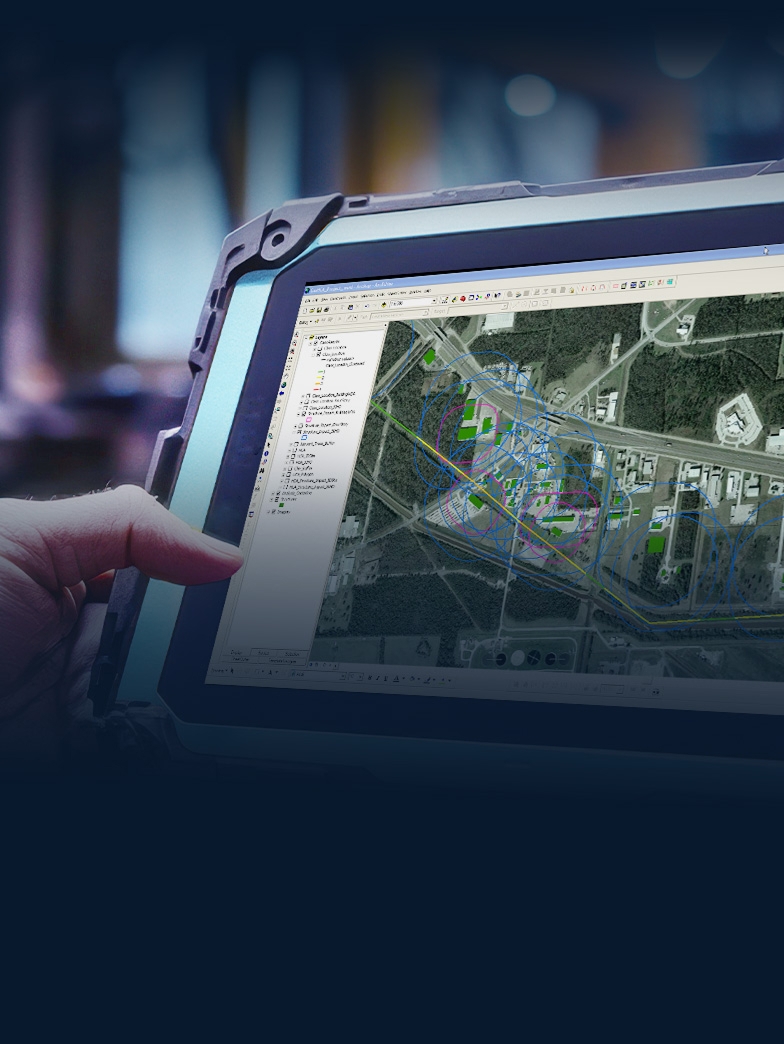
Information to insight
From software platforms to monitoring technologies, turn raw asset data into actionable insights.
ExploreFIELD Services
Compliance to confidence
Inspect and test your assets to ensure they are operating efficiently, and detect damages before they lead to potentially more dangerous consequences.
ExploreIN-LAB Services

Precision to resilience
With advanced technology, expertise and end-to-end solutions, we help you gain complete control and confidence across your supply chain.
ExploreAchieve new levels of intelligence
Partner with MISTRAS to empower your teams to achieve new levels of reliability, safety, and operational performance.
Schedule expert consultation